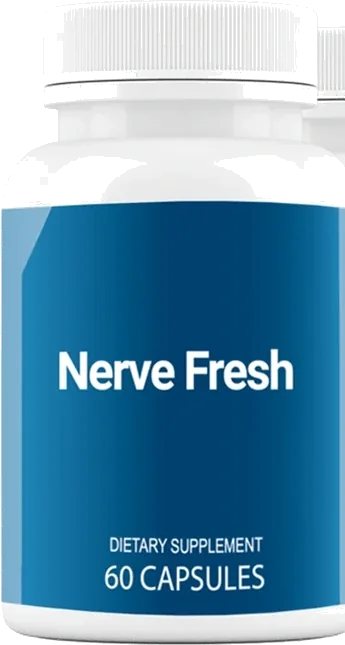
Read off the printed Supplement Facts panel
Nerve Fresh Ingredients: Five Plants and Their Amounts
Nerve Fresh contains five plant ingredients, each with a printed amount, for 960 mg in a two-capsule serving.
Passion flower 350 mg, marshmallow root 220 mg, corydalis root extract 200 mg, prickly pear cactus 100 mg and California poppy 90 mg. The capsule shell is gelatin.
See the full label on the supplement facts page.
What are the ingredients in Nerve Fresh?
Nerve Fresh has five plant ingredients and nothing else active. The printed Supplement Facts panel gives a separate amount for each one, so the whole formula fits in a single line: passion flower 350 mg, marshmallow root 220 mg, corydalis yanhusuo 200 mg, prickly pear cactus 100 mg and California poppy 90 mg.
Add those figures and you get 960 mg in two capsules. Nothing is pooled into a blend total. Here is the list as the panel prints it, with each amount turned into a share of the serving.
| Ingredient, as printed | Amount | Share | What the plant is |
|---|---|---|---|
| Passion Flower Herb Powder | 350 mg | 36% | A calming herb, supplied as plain dried powder |
| Marshmallow Root Powder (Althaea officinalis) | 220 mg | 23% | A mucilage root, traditionally a throat soother |
| Corydalis Yanhusuo Root Extract 10:1 | 200 mg | 21% | A concentrated root extract from Chinese herbal practice |
| Prickly Pear Cactus (Nopal) Powder | 100 mg | 10% | An edible cactus pad, eaten as a vegetable |
| California Poppy Whole Plant Extract | 90 mg | 9% | A sedative herb, unrelated to opium poppy |
The percentages are rounded. Every figure comes straight off the panel, typed out line for line on the Nerve Fresh Supplement Facts page.
Which Nerve Fresh ingredients make you sleepy?
Three of the five: passion flower, corydalis yanhusuo and California poppy. Add their printed amounts and they come to two thirds of the 960 mg serving, so most of this capsule is made of plants with a settling reputation.
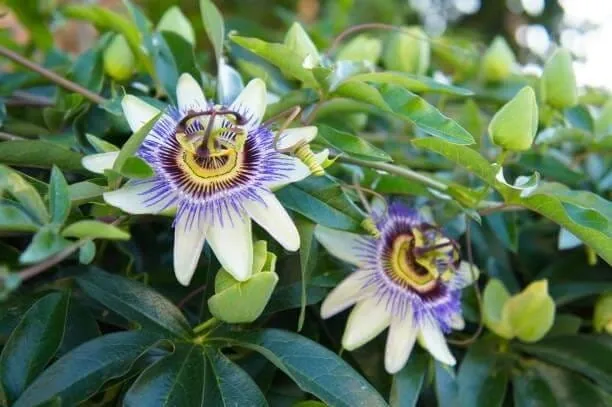
Passion flower herb powder, 350 mg
The biggest number on the label sets the tone. Passion flower is a wind-down herb, not a pick-me-up. The National Center for Complementary and Integrative Health says a small amount of research suggests passionflower might help anxiety symptoms and total sleep time, that conclusions are not definite, and that drowsiness, dizziness and confusion are possible effects (NCCIH).
“Herb Powder” means dried plant rather than a concentrate, and no standardization is given. So 350 mg tells you the weight, not the strength.
Corydalis yanhusuo root extract 10:1, 200 mg
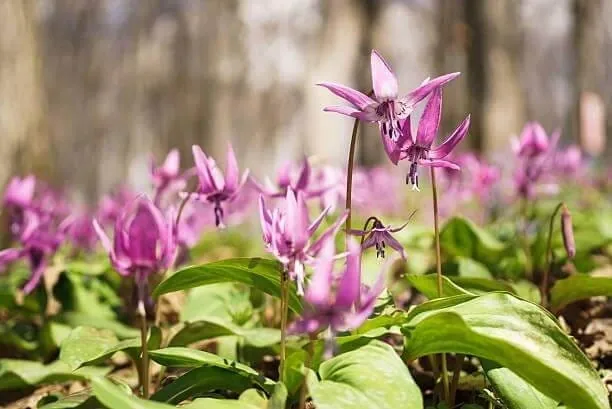
This is the busiest ingredient pharmacologically and the one to raise with a pharmacist. A compound isolated from the root, DHCB, reduced pain behavior in rodent models of inflammatory and nerve pain (Current Biology, 2014). That is animal work on one purified molecule, not evidence about a capsule.
The 10:1 means ten parts raw root went into one part extract. It says nothing about which alkaloids survived, because no standardization is printed.
California poppy whole plant extract, 90 mg
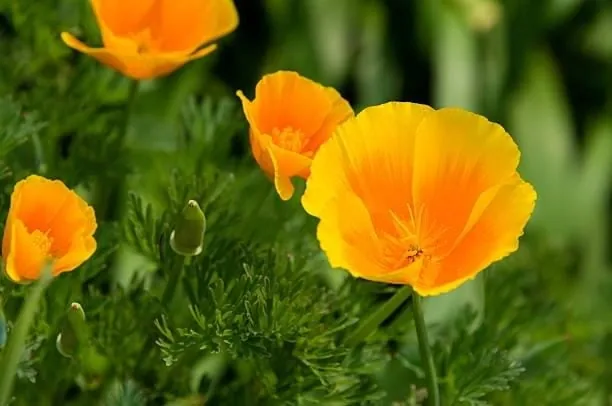
The smallest amount on the panel, and still a sedative. The name worries people, so it is worth saying plainly that this is not opium poppy and there is no morphine in it.
What is worth flagging is laboratory work finding the extract can affect liver enzymes and a transporter that clear many prescription drugs (Phytotherapy Research, 2016). That was done in a dish. Tell a pharmacist what you take.
Why is marshmallow root in a nerve formula?
Nothing on the label or the sales page explains it, and that gap is worth naming. Marshmallow root is a demulcent, which means it forms a slippery gel in water and coats whatever it touches.
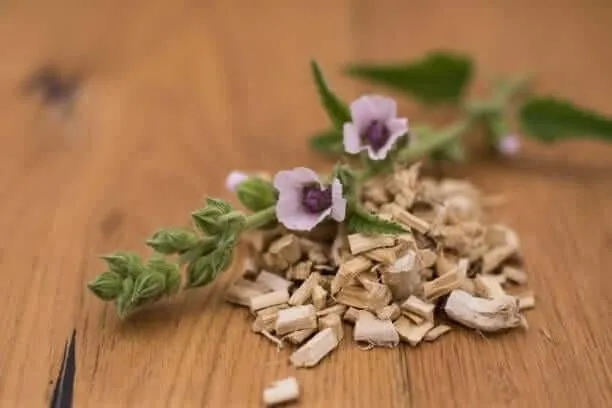
The European Union herbal monograph treats it as a soother for throat irritation, dry cough and mild stomach discomfort (EMA). Those are mouth, throat and gut uses. None involves nerves, sleep or calm.
One practical point follows. The same monograph warns that marshmallow root can delay absorption of medicine swallowed at the same time, and advises a gap of half an hour to an hour either side.
What does prickly pear cactus do in Nerve Fresh?
Prickly pear, also called nopal, is a food. It is eaten as a vegetable across Mexico and the Mediterranean, and was a kitchen crop long before it was a capsule ingredient.
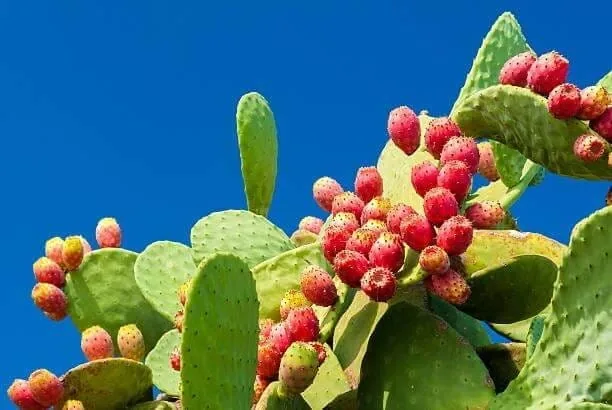
Reviews of nopal look at blood sugar, cholesterol and antioxidant content rather than nerves (Molecules, 2014). The amounts behind that work are counted in grams of cactus pad on a plate. The panel prints 100 mg of powder.
So 100 mg of nopal powder is a small amount of a vegetable. If you take medicine for blood sugar, mention it to your pharmacist.
What a printed amount tells you, and what it does not
A printed milligram figure tells you the weight of plant material in your serving and lets you compare this product with another line by line. It does not tell you how strong that material is, which part of the plant it came from, or what it does in a person.
Amount per 2-capsule servingbars drawn to scale
- Passion Flower350 mg
- Marshmallow Root220 mg
- Corydalis Yanhusuo200 mg
- Prickly Pear Cactus100 mg
- California Poppy90 mg
Five ingredients, total0 mg
Passion flower alone is over a third of the serving. The two smallest entries, prickly pear at 100 mg and California poppy at 90 mg, are where the gap between a capsule amount and a studied amount is widest.
No plant part named
Passion flower and prickly pear are listed as powders with no part given. Only California poppy says whole plant.
No standardization
Not one line says the extract is standardized to a percentage of anything. The corydalis 10:1 is a factory ratio.
No study of the five together
Every source here is about one plant. Nobody has published a trial of this finished capsule.
None of that makes the label dishonest. It makes it ordinary. The difference is that you can see five weights instead of one blend total, as our post on the five amounts sets out.
What is the Nerve Fresh capsule made of?
The other ingredients line on the printed label reads: Gelatin, Microcrystalline Cellulose, Magnesium Stearate, and Silica. Gelatin is first, and gelatin comes from animals, so this is not a vegetarian capsule whatever the seal on the sales page says.
- Capsule shellGelatinAn animal protein. Not vegetarian, not vegan, and it matters to some religious diets
- FillerMicrocrystalline cellulosePlant fiber used so the capsule fills evenly
- Flow agentMagnesium stearateKeeps powder moving through the filling machine
- Anti-cakingSilicaKeeps the powder dry and loose
The last three are ordinary manufacturing aids. The first is a decision. If you avoid animal products, this one is out. The seals are compared with the bottle text on the label page.
The same label says the product is made and packed in a facility that may also process milk, soy, wheat, egg, peanuts, tree nuts, fish and crustacean shellfish (FDA on food allergies). If someone in your house has a serious allergy, that sentence matters more than the badges on the sales page.
How to read this ingredient list before you order
Read the panel on your own bottle and compare it with the five lines above. If they match, the rest is a question of whether a sedating herbal capsule suits your day.
Check the five names and five numbers
Passion flower 350 mg, marshmallow root 220 mg, corydalis 200 mg, prickly pear 100 mg, California poppy 90 mg. Five of five, 960 mg, no blend.
Read the other ingredients line
Gelatin first. That settles the vegetarian question before you open the bottle.
Write the list down for your pharmacist
Five names with amounts fits on a card. Take it when you collect a prescription.
Pick an evening for the first dose
With no driving, no machinery and nothing that needs your full attention after.
Keep the order email
It carries the order ID you need inside the 180-day money-back window. The guarantee page has the steps.
Nerve Fresh ingredients: common questions
Is there a proprietary blend in Nerve Fresh?
No. Every ingredient carries its own milligram figure, so nothing hides behind a single blend weight. That is the most useful feature of this label.
Is Nerve Fresh vegetarian or vegan?
No. The printed other ingredients line begins with gelatin, which is made from animal collagen. The sales page carries a vegetarian seal, but where the page and the printed label disagree, the label is the one that counts.
Does California poppy contain opium or morphine?
No. California poppy is Eschscholzia californica, a different plant from opium poppy, and it holds no morphine. It is still a sedative herb, which is why it is here at 90 mg.
Which ingredient is most likely to interact with medicine?
Two are worth naming. Marshmallow root can delay absorption of medicine swallowed at the same time, so leave a gap of half an hour to an hour. California poppy affected drug-clearing enzymes in laboratory work. Tell your pharmacist what you take.
What does a 10:1 extract mean?
Ten parts of raw root produced one part of finished extract. It is a factory ratio, and it does not tell you how much of any plant compound is in the capsule, because no standardization figure is printed.
Sources for this page
- National Center for Complementary and Integrative Health. Passionflower. Source
- European Medicines Agency. European Union herbal monograph on Althaea officinalis L., radix (final). Source
- Zhang Y, Wang C, Wang L, et al. A Novel Analgesic Isolated from a Traditional Chinese Medicine. Current Biology, 2014. Source
- El-Mostafa K, El Kharrassi Y, Badreddine A, et al. Nopal cactus (Opuntia ficus-indica) as a source of bioactive compounds for nutrition, health and disease. Molecules, 2014. Source
- Manda VK, Avula B, Chittiboyina AG, et al. Modulation of CYPs, P-gp, and PXR by Eschscholzia californica (California Poppy) and its alkaloids. Phytotherapy Research, 2016. Source
- U.S. Food and Drug Administration. Food Allergies. Source
Keep reading
Ready when you are
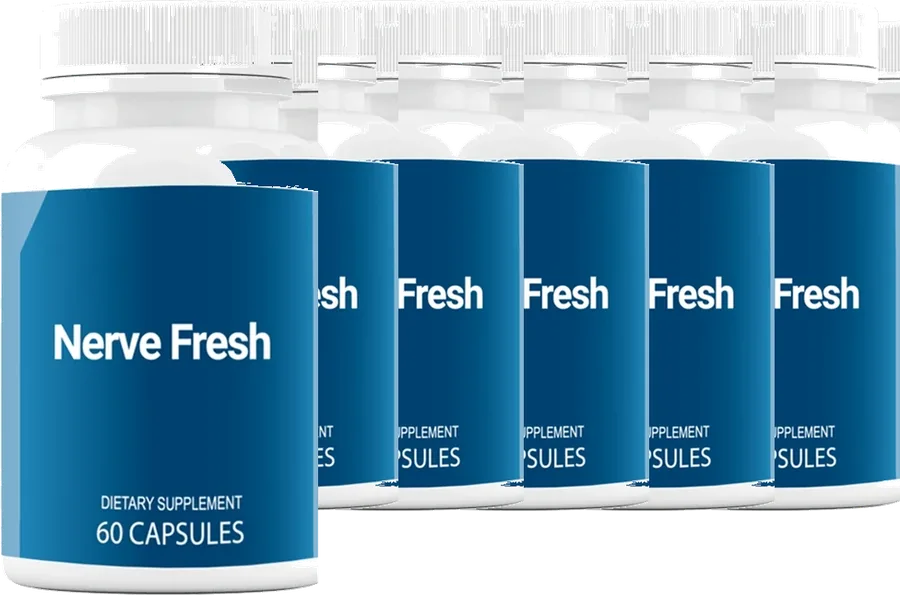
Order Nerve Fresh from the U.S. retail desk
Two capsules a day. Follow the label on your bottle. 180-day money-back guarantee. A real person at +1 (302) 200-3480 for orders, tracking and refunds.